


Ketos Foil, partner of Freeride Tarifa
Ketos Foil, partner of Freeride Tarifa https://freeridetarifa.com/wp-content/uploads/2018/03/ketos-Foil-Partner-Freeride-Tarifa.jpg 1000 1000 Freeride Tarifa https://freeridetarifa.com/wp-content/uploads/2018/03/ketos-Foil-Partner-Freeride-Tarifa.jpg
We’re pleased to announce the partnership with Ketos for kitefoiling equipment.
KETOS has 25 years of experience in composite materials and a passion for Kitesurfing, which naturally led them to specialize in the manufacture of your foils. When sailing with a Ketos foil, you use a 100% made in France foil, in the Alps, on the shore of Lake Aix-Les-Bains.
What is Kitefoiling?
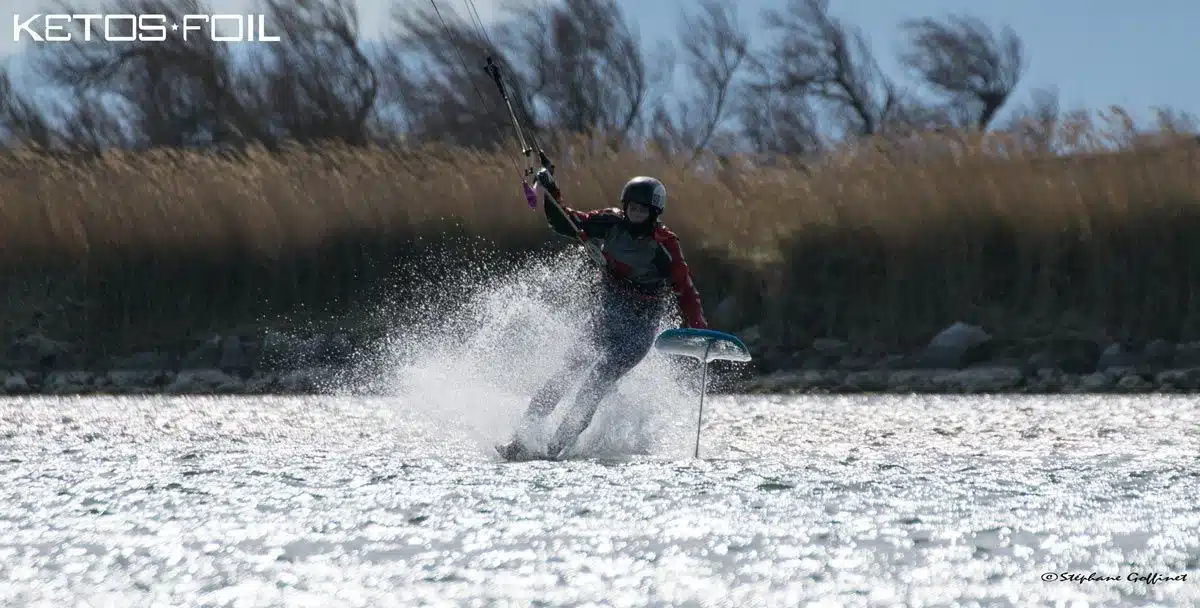
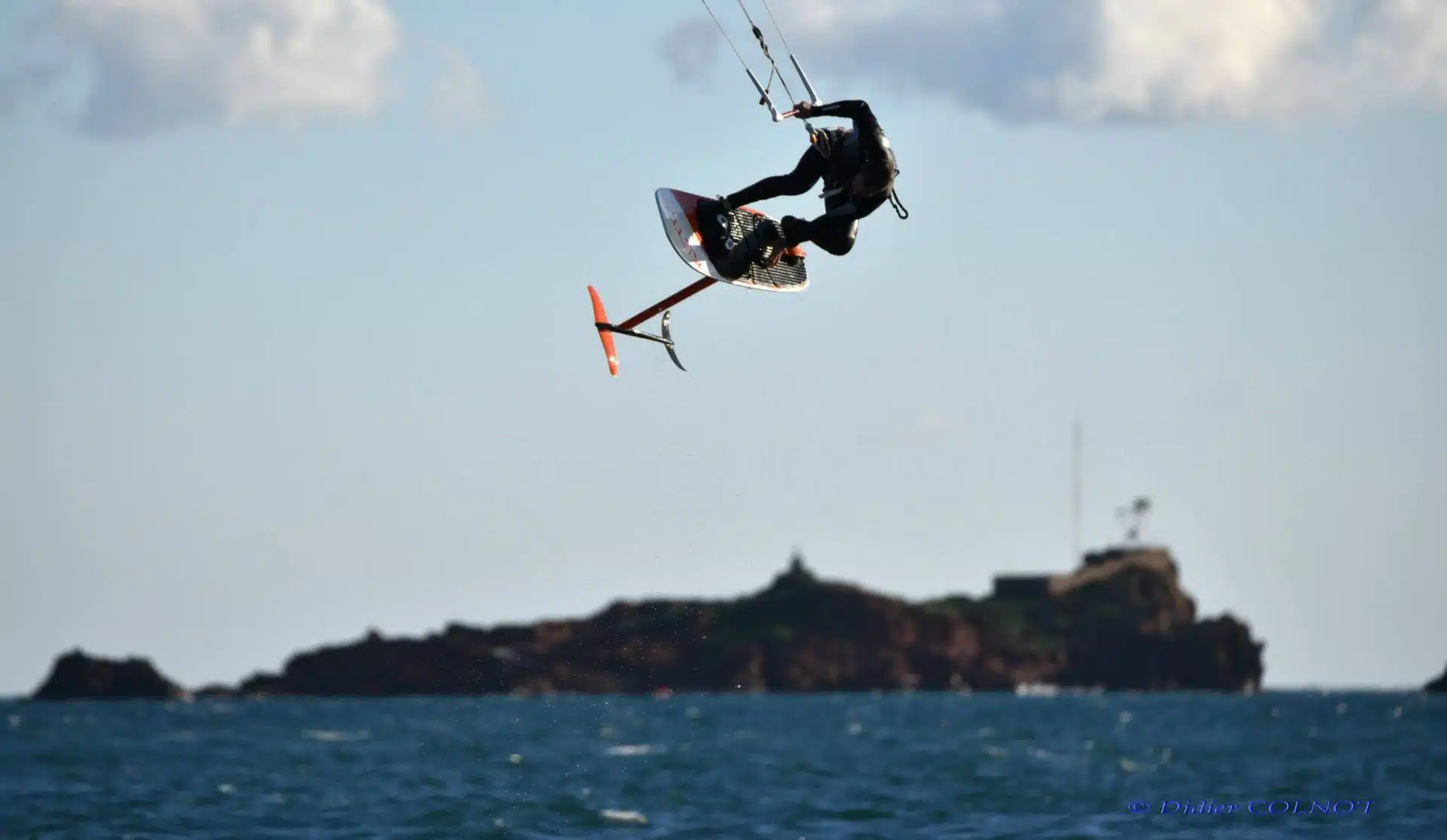
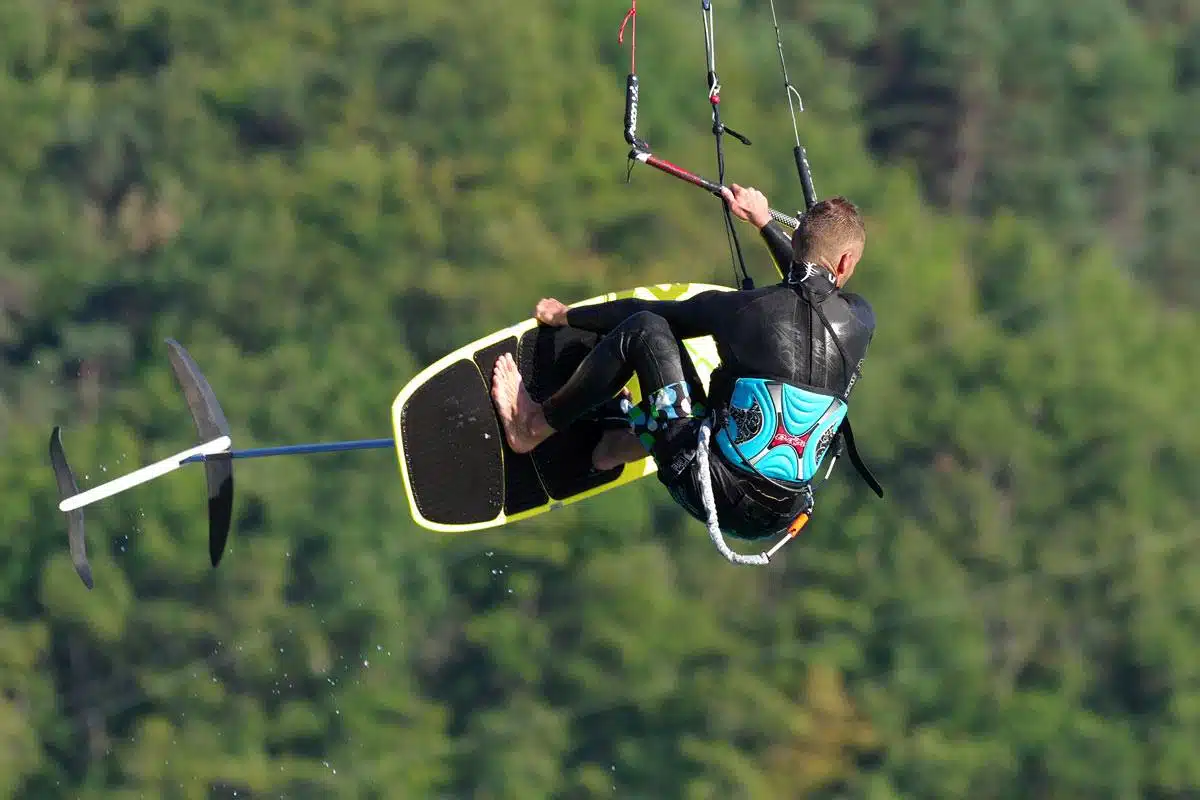
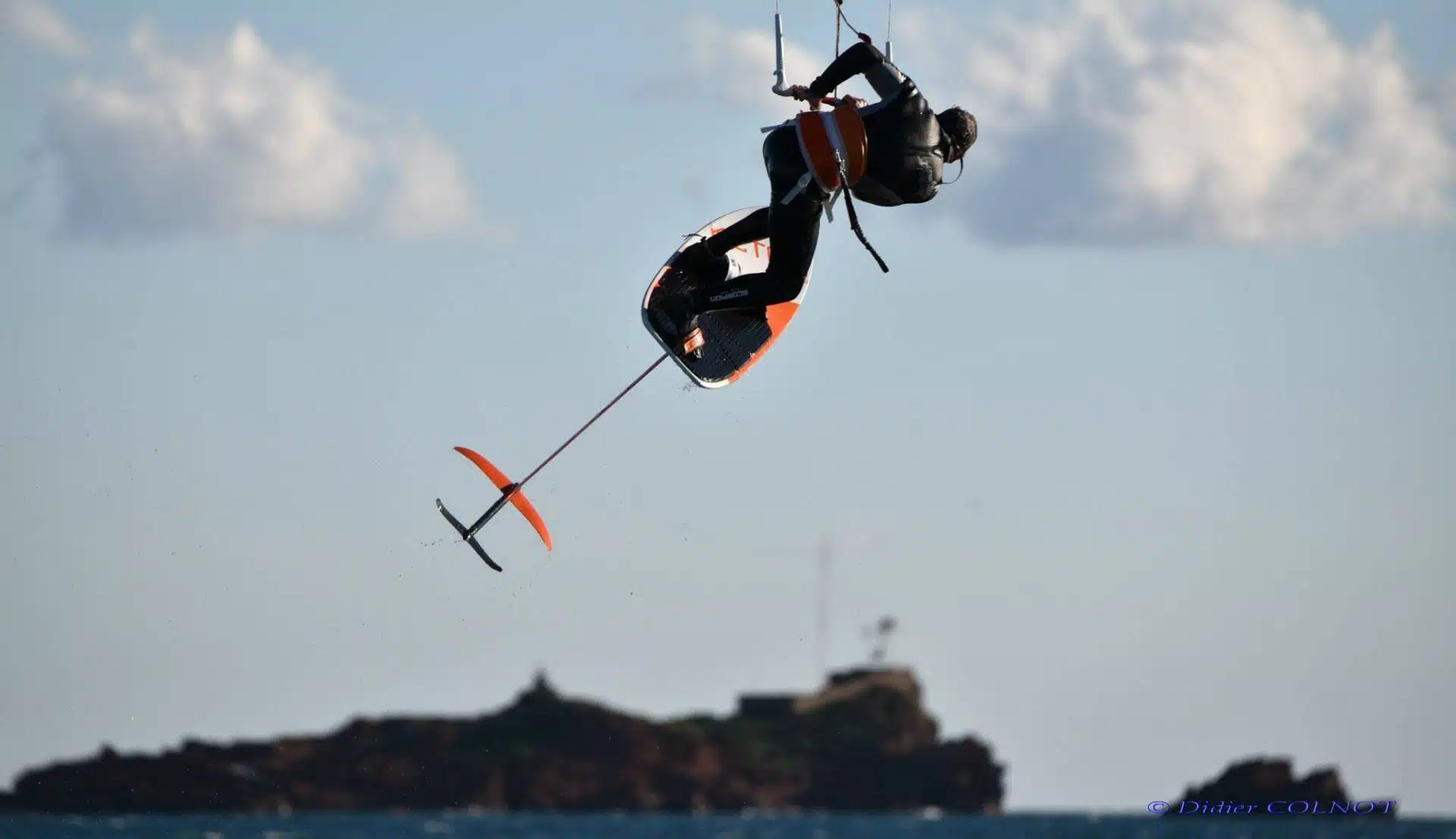
Kitefoiling (or kite hydrofoiling) is the evolution of kitesurfing.
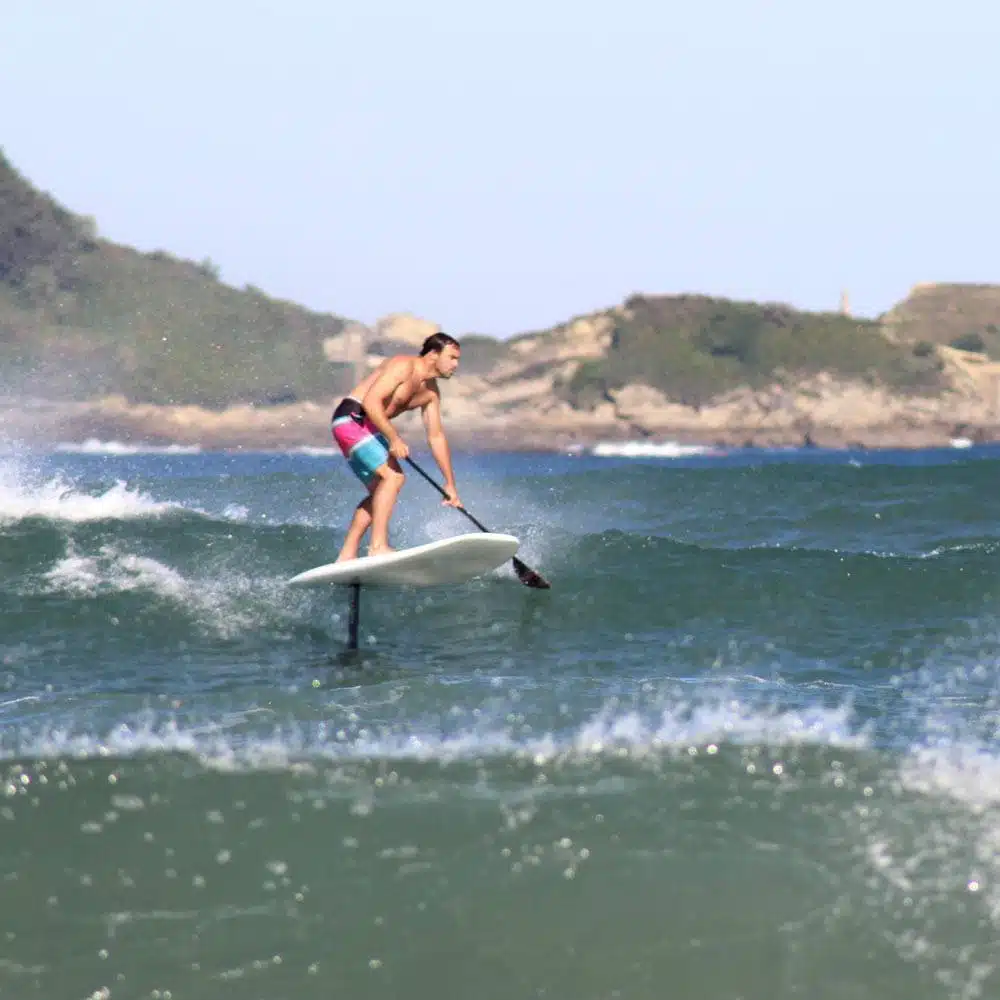
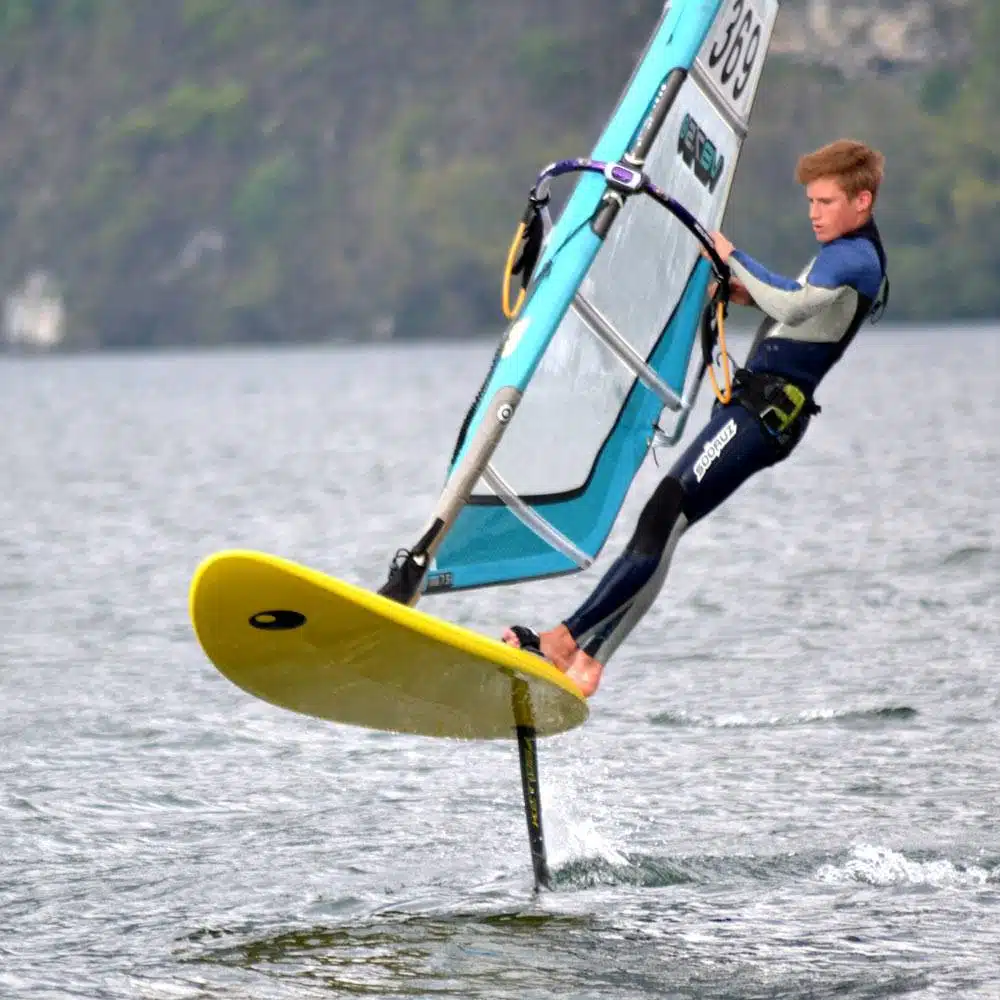
By attaching a hydrofoil—an underwater wing—to the bottom of the board, you lift the entire board out of the water once you reach a certain speed.
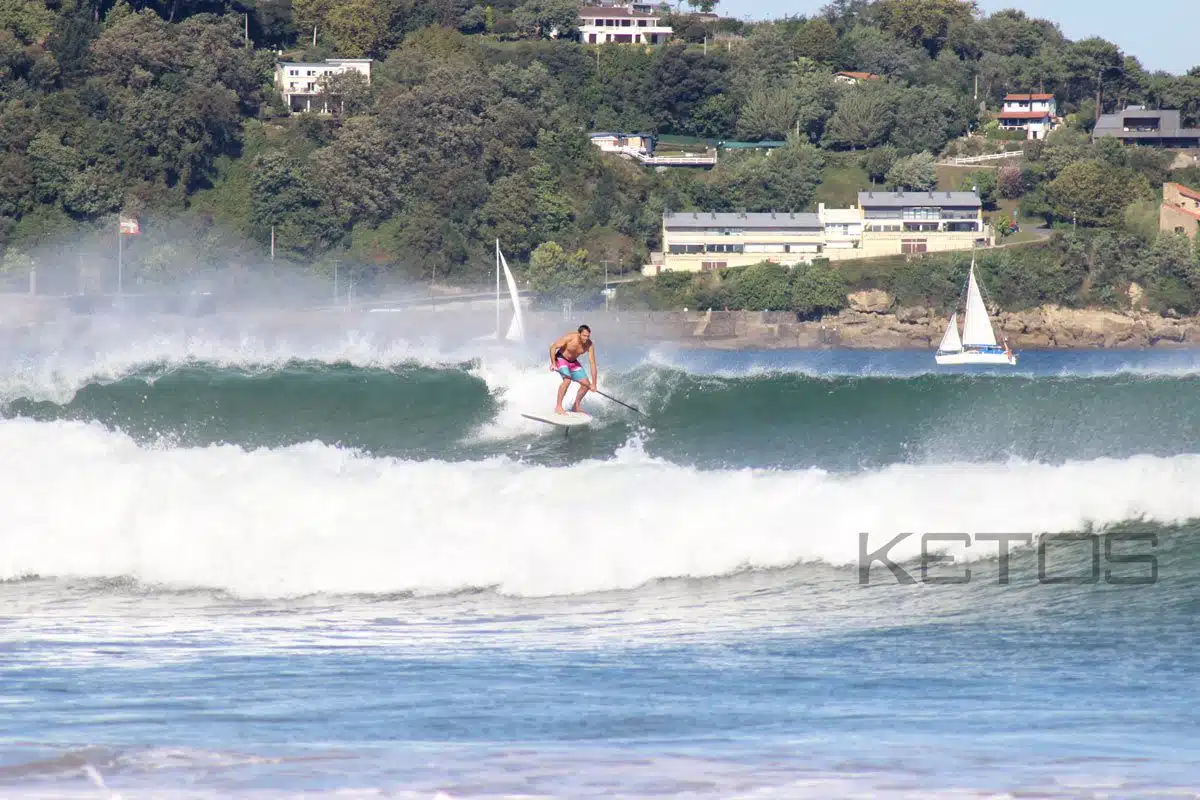
Instead of bouncing over the surface, you glide above it. This eliminates the friction of the waves, allowing you to ride in incredibly light winds where traditional kiteboards would sink. It feels less like sailing and more like flying a silent, low-altitude aircraft.
Why Ketos?
We chose to partner with Ketos because they are pioneers of the industry with over two decades of composite expertise. Based in the French Alps, Ketos doesn’t just make foils; they craft high-performance instruments.
The KETOS foil is more than just a product, it is a passion, for an object, a sport, that they share with their partners and their team who participates in all the stages of the design to the production. They wanted to keep the spirit that drives them since the company creation with their first composite parts.
- Modularity: Their “Plug & Play” system is world-class. You can swap wings, masts, and fuselages in seconds to adapt to changing wind conditions.
- Proven Pedigree: They have been refining their shapes since the early days of the sport, ensuring every curve is optimized for fluid dynamics.
- Sustainability & Quality: By keeping production local and using high-grade materials, Ketos offers a level of durability that mass-produced brands simply can’t match.
The Value of Full Carbon Construction
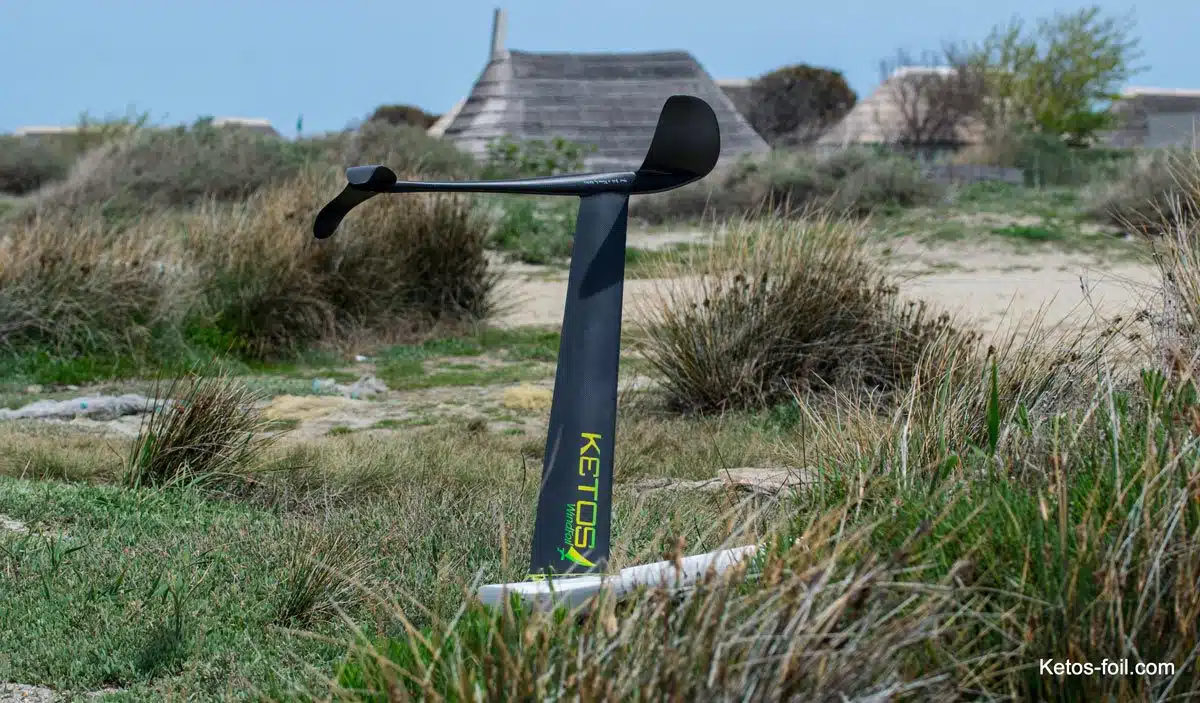
When it comes to foiling, material matters. Ketos foils are built from high-modulus carbon fiber, offering three distinct advantages:
- Extreme Rigidity: Unlike aluminum, carbon doesn’t flex under pressure. This means the foil responds instantly to your foot movements, providing a “connected” feeling.
- Weight Savings: A full carbon setup is significantly lighter, making it easier to carry to the beach and more reactive when jumping or carving.
- Corrosion Resistance: Carbon is immune to the “seizing” and oxidation issues that plague aluminum parts in saltwater, ensuring your investment lasts for years.

The Benefits of Practicing Kitefoiling
- Double Your Days on Water: You can ride in as little as 6–8 knots, meaning you’ll rarely miss a session due to “light wind.”
- Silent Efficiency: Without the “slap” of the board on the chop, the experience is incredibly peaceful and easy on the knees.
- Upwind Performance: Kitefoils can point at angles toward the wind that are impossible for twin-tips, allowing you to explore more of the coastline.
- Physical & Mental Flow: It requires a unique blend of core stability and focus, leading to a “flow state” that is both a workout and a moving meditation.
Maintenance: How to Protect Your Investment
A Ketos full carbon foil is built to last a lifetime, but even the best composite materials need a little love. Follow these simple steps to keep your foil in “factory-new” condition and ensure maximum glide.
1. The Freshwater Rinse
Salt is the enemy of any mechanical connection. After every session, rinse your entire foil—especially the screw holes and connection points—with fresh water. This prevents salt crystals from building up and acting like sandpaper inside the joints.
2. Manage the Hardware (Tef-Gel is Key)
Even though carbon doesn’t corrode, the stainless steel screws used to hold everything together can undergo galvanic corrosion when in contact with carbon and saltwater.
The Pro Tip: Apply a small amount of Tef-Gel or marine-grade grease to the screw threads.
Frequency: Disassemble your foil completely at least once every two weeks (or more often if you leave it in a hot car) to ensure nothing “seizes” up.
3. Mind the Heat
Carbon fiber thrives in the water, but it hates being “cooked.” Avoid leaving your foil in direct sunlight on the beach or inside a locked car for extended periods. Extreme heat can cause the internal air to expand, potentially leading to structural stress or delamination. When you aren’t riding, keep it in the shade or under a reflective board bag.
4. Sand is the Enemy
Before assembling your mast to your fuselage, ensure the “sockets” are 100% free of sand. Even a single grain of sand can prevent a perfect flush fit, creating a tiny bit of “play” or wobble that can damage the carbon over time.
5. Smooth the Scratches
Life happens! If you touch a rock or a sandbank, you might get a light scratch on the wing. Because Ketos foils are solid carbon, you can usually wet-sand these out with very fine sandpaper (400 to 600 grit) to restore that perfectly smooth laminar flow.
Frequently Asked Questions
There is a learning curve, but it’s more about “unlearning” old habits. Because the foil is so efficient, you need much less kite power than you’re used to. Most riders with solid kite control can find their “flight” within 2 to 3 sessions. Once you find your balance, it is actually much easier on the body than traditional kiting.
One of the biggest advantages of a Ketos foil is its light-wind performance. Depending on your kite size and skill level, you can begin gliding in as little as 6 to 8 knots. This effectively doubles your time on the water compared to using a twin-tip board.
Yes! This is one of the brand’s strongest points. Ketos uses a highly compatible modular system. As you progress from a beginner “Kujira” or “Freeride” wing to a high-speed performance wing, you can keep the same mast and fuselage. This makes upgrading your gear much more cost-effective.
While aluminum is often cheaper, carbon is a superior long-term investment. Carbon is significantly lighter, stiffer, and—most importantly—it does not corrode in saltwater. An aluminum mast requires constant maintenance and disassembly to prevent parts from fusing together, whereas carbon stays pristine for years.
For most beginners, a shorter mast (around 65–70cm) is easier to manage because it keeps your center of gravity lower. However, many riders quickly move to a 90cm mast, which provides more “altitude” to clear choppy waves without the board touching the water.